0
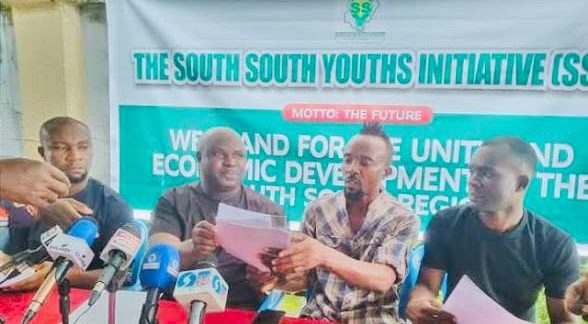
PORT HARCOURT — The South-South Youths Initiative (SSYI) has rejected the proposed establishment of State Police in Nigeria, warning that the initiative, in its current form, could undermine democracy, deepen political oppression, and worsen insecurity across the country.
In an open letter addressed to President Bola Tinubu, the group said it was not opposed to security reforms aimed at improving policing and bringing law enforcement closer to the people.
The group, led by its National President, Comrade Imeabe Saviour Oscar, cautioned that placing State Police under the direct control of governors could transform the outfit into political instruments used to intimidate opponents, manipulate elections, and suppress dissenting voices.

According to Oscar, Nigeria’s experience with the abuse of state-controlled institutions should serve as a warning against creating security structures that could be exploited for partisan interests.
The group warned that such a development could aggravate existing divisions in Nigeria’s diverse society, particularly in multi-ethnic states across the Niger Delta and other regions of the country.
“While we are not opposed to reforms that improve security and bring policing closer to the people, SSYI condemns the current process and structure of State Police being pushed across Nigeria. The negative implications far outweigh the promises if left unchecked:
“State Police under the control of Governors will become a private army for political intimidation, election rigging, and suppression of opposition. We have seen how state-controlled institutions are abused. Handing Governors direct control of armed police will deepen authoritarianism and threaten democracy,” Oscar said.
SSYI also questioned the financial capacity of many states to effectively fund independent police formations, noting that several state governments already struggle to meet salary obligations.
The group emphasized that inadequate funding could result in poorly trained and poorly equipped officers, thereby increasing the likelihood of corruption, extortion, and human rights abuses.
The youths’ body also raised concerns over possible jurisdictional conflicts between State Police and existing federal security agencies, including the Nigeria Police Force, the Department of State Services (DSS), and the Nigeria Security and Civil Defence Corps (NSCDC).
They argued that the emergence of multiple policing authorities without a clearly defined accountability framework could create operational confusion and provide opportunities for criminal elements to exploit security gaps.
The group stated, “Most states cannot pay salaries regularly. A poorly funded State Police means poorly trained, poorly equipped officers who will resort to extortion and brutality. This will increase insecurity, not reduce it.
“Multiple state commands with no clear accountability framework will clash with federal agencies, NSCDC, DSS, and even among themselves. This confusion will embolden criminals and terrorists.
“Instead of rushing into State Police, the Federal Government and National Assembly must prioritize *holistic police reform.”
The group however urged the federal government to strengthen the Police Service Commission, establish independent Police Complaints Commissions in all states, and deploy technology-driven accountability measures such as body cameras and digital case-tracking systems.