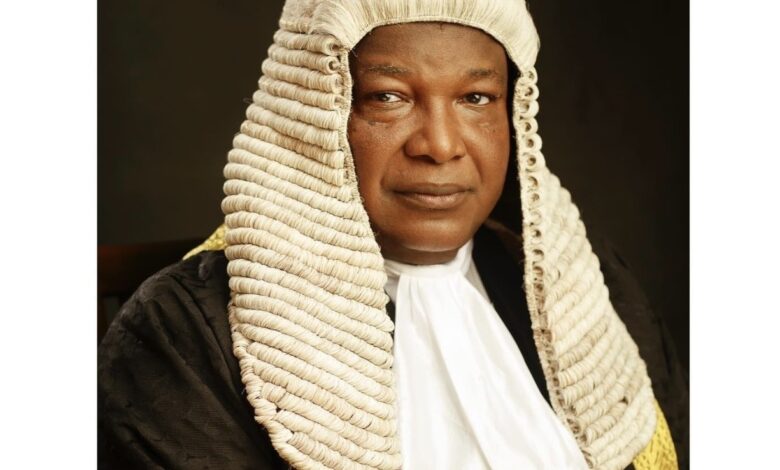
A Senior Advocate of Nigeria, SAN, Dr Wahab Shittu, has said the death penalty for convicted terrorists should remain a non-negotiable part of Nigeria’s legal framework.
He argued that terrorism is a crime against humanity that deserves the maximum punishment where the law permits.
His position following the life sentence imposed on three terrorists linked to the abduction of school children and teachers in Oriire lfa of Oyo State, a judgment that has renewed calls for a review of Nigeria’s terrorism laws.
Speaking on Thursday during an interview on Eagle 102.5 FM, Ilese-Ijebu, monitored by DAILY POST in Abeokuta, Shittu said the sentencing of the convicted terrorists should not be viewed as judicial leniency but as a reflection of the legal framework within which judges operate.

According to him, terrorism remains “a crime against humanity” because it destroys lives, property, economies and critical national infrastructure, and therefore deserves the maximum punishment where the law permits.
He said, “Judges cannot act outside statutory framework. What you can advocate for is perhaps for us to amend our terrorism Prohibition and Prevention Act in a way that will make all those who participate in terrorist activities, all those who participate by aiding and abetting, including those who actually engage in the terrorist act themselves, to be given the same, measure of punishment.”
The SAN maintained that while calls for tougher penalties are legitimate, judges are bound by existing laws and can only impose sentences provided under the current legal framework until the Terrorism Prevention and Prohibition Act is amended.
“That is an advocacy that we can sustain. But until the law is amended, judges have no option than to work with the statutory framework available for the trial of these offenders,” he added.
Shittu also noted that the conviction of two citizens of the Republic of Niger among the five suspects highlights the transnational nature of terrorism, stressing that Nigeria must strengthen cooperation with neighboring countries and international partners, as the fight against terrorism cannot be left to the judiciary alone.
He commended the Federal High Court judges designated to handle terrorism cases as well as the Attorney-General of the Federation for ensuring that terrorism suspects are brought before the courts rather than remaining in prolonged detention without trial.
“To that extent, what our judges are doing, is commendable, because you find dedicated judicial officers being assigned to try these cases,” he stated.
Shittu argued that crime flourishes where offenders face no consequences, stressing that terrorism-related offences must attract severe penalties capable of deterring future attacks.
He maintained that the death penalty for convicted terrorists should remain a key consideration in Nigeria’s legal framework, opining that without meaningful consequences for criminal conduct, terrorism and other violent crimes would continue to persist.
On the issue of negotiations with terrorists, Shittu insisted government should not succumb to demands made by kidnappers or insurgents, saying doing so would undermine the state’s constitutional responsibility to provide security and welfare for citizens.