G16 Raises Due Process Concerns Over Mali’s Sanctions On 12 Terror Financing Suspects

0
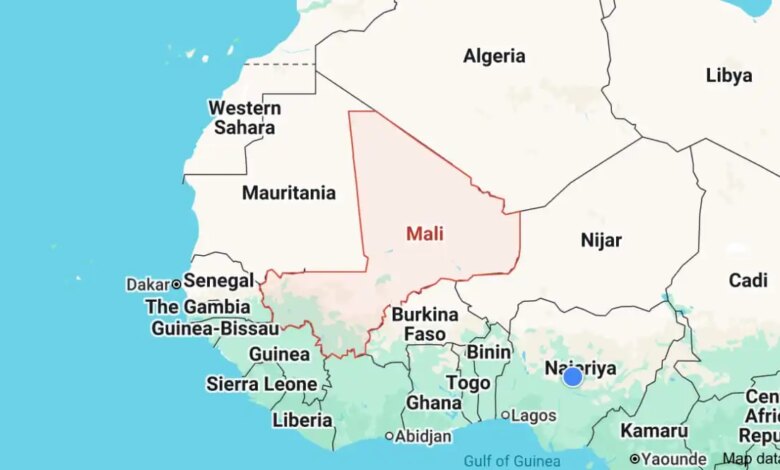
ABUJA – The G16 Regional Security Advocacy Group on Counter Terrorism in Africa has raised concerns over the Malian government’s decision to impose targeted financial sanctions on 12 individuals accused of financing terrorism, warning that the move could undermine due process and civic freedoms if not backed by clear legal safeguards.
In a press statement issued on Friday, the coalition said it had taken note of the freezing of assets and economic resources belonging to the affected individuals, who include journalists, lawyers, political leaders, civic actors, and a former judicial officer.
The sanctions were imposed under Order No. 2026-1409/MEF-SG dated June 18, 2026, directing banks and other regulated financial institutions in Mali to freeze their assets.
While acknowledging the seriousness of terrorism financing and Mali’s responsibility to protect national security, G16 said the implementation of the sanctions raises “important questions” around transparency, proportionality, due process, and the protection of civic space.
The coalition noted that the latest sanctions follow an earlier order issued on May 22, 2026, which placed former parliamentarian Oumar Mariko, economist Étienne Fakaba Sissoko, and the Front de libération de l’Azawad on the same national sanctions list.
G16 stressed that targeted sanctions are most effective when they are evidence-based, transparent, and accompanied by safeguards that protect fundamental rights and public confidence.
It said available information does not clearly indicate whether the latest sanctions were preceded by judicial authorisation, an individualised evidentiary review, or an accessible appeal mechanism.
The group referenced the 2023 revision of the Financial Action Task Force’s Recommendation 8, which encourages governments to adopt focused, proportionate, and risk-based measures in counter-terrorism financing efforts while avoiding undue disruption to legitimate civil society activities.
It also cited guidance from the United Nations Special Rapporteur on human rights while countering terrorism, which warns against counter-terrorism measures that unnecessarily restrict civic space or the rights of civil society actors and human rights defenders.
According to G16, without clear safeguards and review mechanisms, sanctions of this nature could negatively affect freedoms of expression, association, opinion, and the press as protected under Mali’s constitution and international human rights instruments.
The coalition condemned terrorism and terrorism financing in all forms but urged the Malian government to disclose the legal and evidentiary basis for the sanctions, guarantee access to due process, and review the measures where necessary.
G16 said it remains committed to promoting the accurate implementation of global counter-terrorism standards while ensuring civic actors can operate freely within the law.