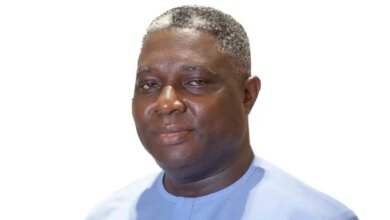
The presidential candidate of the Nigeria Democratic Congress (NDC) for the 2027 elections, Peter Obi, has ruled out the chances of providing uninterrupted electricity to Nigerians within four years if elected.
Speaking on Sunday during a Channels Television interview, Obi said that such a pledge is unrealistic.
He, however, added that improving electricity supply would be a major priority of his administration, but guaranteeing constant 24-hour supply is unachievable within such a limited timeframe.
“I will not tell them I’m going to give them reliable, stable, 24-hour electricity within four years.

“It is impossible because if you want to build a power plant, it will take you about four years to build a power plant.
“If you want to build and improve our transmission line, it will take you a number of years,” Obi said.
According to him, Nigeria should be able to consistently generate, transmit, and distribute at least 10,000 megawatts of electricity, noting that the country’s major challenge lies in transmitting and distributing available power rather than generating it.
“We will be able to generate more than 10,000 megawatts. We are doing that today, we are generating more than 10,000 but we are not able to transmit that.
“I said we will be able to generate more than 10,000, transmit and distribute that,” he stated.
Naijaonpoint reports that the NDC presidential candidate promised to replicate successful decentralised electricity models already operating in parts of the country.
He cited Geometric Power in Aba as a model that could be expanded to other industrial hubs, including Kano, to boost economic activities.
“We will do it through embedded power. Look at what Geometric Power is doing in Aba—we need to replicate that in locations like Kano to drive the industries in Bompai and Sharada,” he said.
He added that his administration will promote transparency in the electricity sector and urged the federal government to clear outstanding debts owed to electricity generation companies, which he said had discouraged investment.
“Today, the government owes generating companies trillions of naira. We must pay them,” he said.