ROME, Italy: Nearly 40 years after the Chernobyl nuclear disaster spread radiation across Europe and led Italy to abandon nuclear power, the government led by Prime Minister Giorgia Meloni is now preparing to bring it back.
The aim is to improve the country’s energy security.
The government is relying on a younger generation of Italians who see nuclear energy differently. Many of them view it as a low-carbon source of electricity that can help fight climate change and provide stable energy supplies, especially after disruptions caused by the wars in Ukraine and Iran.
Experts say the government hopes this growing support will balance the views of older Italians. Many people who remember the 1986 disaster still see nuclear power as dangerous. In the past, voters rejected nuclear energy twice in national referendums.

Parliament is expected to soon approve a new law that would create a legal system for modern nuclear technologies. After that, the government would have one year to prepare detailed rules covering areas such as reactor licenses, safety standards, waste management and where plants could be built.
The environment and energy minister, Gilberto Pichetto Fratin, said in an interview that the government’s role at this stage was to prepare the conditions so that future decisions about building nuclear plants could be made properly.
Italy’s discussion comes at a time when other European countries, such as France and Poland, are expanding or planning nuclear power. However, unlike those countries, Italy would be rebuilding an industry that its own voters shut down many years ago.
Italy Was Once a Pioneer
Italy was once a leader in nuclear energy in Europe. It had four working reactors until a 1987 public vote ended the program after the Chernobyl disaster. A later attempt to restart nuclear power failed after the Fukushima disaster in Japan in 2011, when about 94 percent of voters rejected new plans.
Because of this history, Italy’s move back towards nuclear energy would be one of the biggest changes in energy policy seen in Europe.
The current government says that rising demand for electricity, climate targets and concerns about energy security after Russia invaded Ukraine all support the decision to bring nuclear power back. The energy minister said that electricity demand could rise by at least 30 percent within about ten years, meaning the country would need more than just renewable energy sources.
Instead of building large traditional nuclear plants, the government is focusing on small modular reactors, known as SMRs, and other modern technologies. Supporters believe these could be safer, more flexible and quicker to build.
The minister explained that these newer systems belong to a more advanced generation of nuclear technology. He said they are better suited to current needs, safer because of their smaller size, and faster to construct. He also suggested that the first of these next-generation reactors could realistically begin operating between 2033 and 2035.
At present, nuclear energy produces about 10 percent of the world’s electricity and around a quarter of all low-carbon power. Italy’s plans to return to nuclear energy are part of a wider global trend, as more countries reconsider nuclear options due to improvements in technology, including better safety features and lower construction costs.
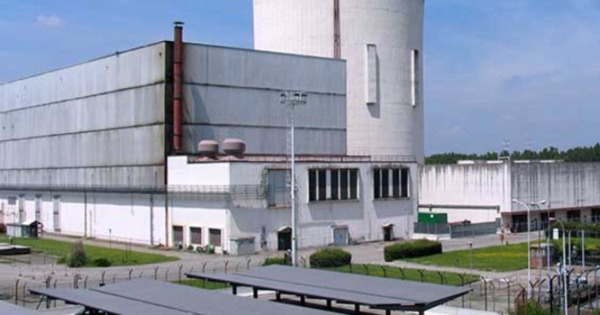
At the old Latina nuclear power plant near Rome, workers are still carefully taking apart parts of Italy’s earlier nuclear program. This is happening at the same time as politicians are discussing how to build a new one.
55 percent of Italians Support Nuclear Plants
A survey carried out in June 2026 by the research company Only Numbers found that about 55 percent of Italians support new types of nuclear plants.
Michele Governatori, a senior energy adviser at the climate and energy think tank ECCO, said that younger Italians are generally more open to nuclear power. He explained that many of them see it as a sign of technological progress rather than linking it to past nuclear accidents.
Another expert, Cruciani, said younger people tend to think about nuclear energy in terms of future energy needs and climate goals, rather than focusing on disasters from the Cold War period. When asked about the risk of another accident like Chernobyl, he said that advances in technology have reduced those risks.
Some people support nuclear energy for practical reasons. Paola Giovannini Pasti, who leads the women’s branch of Italy’s main agricultural organization Confagricoltura, said that Italy has serious energy challenges and that it is important for nuclear power to be approved as part of the solution.
However, not everyone agrees. Governatori warned that using nuclear power as a backup energy source could make average energy costs very high. He said this would make it a poor partner for renewable energy and not a cheap option.
The energy minister also recognized that nuclear power would not solve the problem of high electricity prices in the short term.