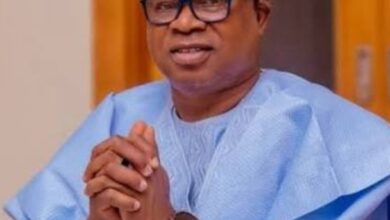
The zonal pastor of the Redeemed Christian Church of God (RCCG), Grace Arena, Pastor James Nsima, has backed government efforts to regulate preaching inside commercial vehicles where it causes inconvenience to passengers, but opposed the proposed N50,000 fine for individuals convicted of preaching in buses.
Nsima stated this in an interview with LEADERSHIP Weekend while reacting to the passage of the Federal Road Safety Corps (Amendment) Bill, 2026 by the Senate.
The proposed legislation, which is awaiting presidential assent, seeks to impose a N50,000 fine on anyone convicted of hawking, trading or preaching inside commercial vehicles.
It also prescribes a N50,000 fine, six months’ imprisonment, or both, for motorists who refuse to cooperate with officials of the Federal Road Safety Corps (FRSC) during roadside breath tests conducted on reasonable suspicion.
Commenting on the controversy generated by the bill, the cleric said he would respect any law enacted through due legislative process if it is intended to serve the collective interest of Nigerians.
“I believe that if the Senate has deliberated on issues like this and found that preaching inside commercial vehicles is not convenient for everyone, I will abide by the law,” he said.
While emphasizing that he was speaking in his personal capacity as both an individual and a church leader, Nsima noted that preaching the gospel should not come at the expense of other people’s comfort and freedom.
According to him, Christians have numerous opportunities to evangelise without disrupting public peace or creating discomfort for fellow commuters.
“There are several avenues through which we can reach people with the gospel. Even inside a commercial vehicle, if you must preach, you can do so without shouting or making unnecessary noise that inconveniences others,” he said.
He suggested that rather than addressing an entire bus, preachers could engage willing individuals in personal conversations about the Christian faith.
“You are not expected to preach to everybody at the same time. You can speak to one individual about Jesus Christ. By doing that, you are not disturbing everyone because we live in a country with different religious beliefs. You should not force anybody to accept what you believe,” he said.
The pastor stressed that any government policy regulating religious activities must be implemented fairly and without discrimination against any particular faith.
“If government believes this is the right direction, then I support what government wants to do. But whatever decision is taken must apply equally to every religion.
“If preaching in commercial vehicles is regulated, then similar issues affecting other religious practices should also be addressed. We have to be careful as a nation whenever decisions concern religion because Nigeria is a multi-religious country,” he said.
Addressing concerns that the proposed legislation could infringe on constitutional rights to freedom of religion and expression, Nsima argued that individual rights should always be balanced against the rights of others and the broader public interest.
“Freedom of religion and freedom of speech are fundamental human rights that must be protected. However, when exercising those rights begins to infringe on the rights of other people, it becomes an issue that government has a responsibility to address,” he said.
He expressed confidence that members of the National Assembly, representing different religious backgrounds, would be able to deliberate objectively on matters affecting national unity.
On how government could balance regulation with constitutional freedoms, Nsima advocated dialogue between public authorities and recognised Christian organisations rather than confrontational engagements.
He identified the Christian Association of Nigeria (CAN) and the Pentecostal Fellowship of Nigeria (PFN) as the appropriate platforms through which the Church should engage government on policy matters.
“As an individual, I cannot simply declare that government is right or wrong. We have recognised bodies like CAN and PFN that regularly engage government on issues affecting Christians. Those are the proper platforms through which concerns should be presented and solutions negotiated,” he said.