Prof Olayinka Seeks Overhaul Of Postgraduate Education, Urges Varsities To Prioritise Research, Innovation

0
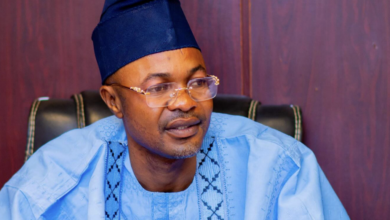
Former Vice-Chancellor of the University of Ibadan, Prof. Abel Idowu Olayinka, has called for a comprehensive overhaul of postgraduate education in Nigerian universities, saying the nation’s quest for sustainable development would remain elusive without stronger investment in research, innovation and quality postgraduate training.
Delivering the keynote lecture at the maiden Postgraduate School Discourse of Chrisland University, Abeokuta, Prof Olayinka described postgraduate education as the highest level of higher education where universities produce the next generation of researchers, innovators and academics capable of solving complex national challenges.
Speaking on the theme, “Consolidating Postgraduate Education in Nigerian Universities,” the former Dean of the University of Ibadan Postgraduate School said universities must move beyond awarding degrees to deliberately creating knowledge that addresses societal needs.


According to him, postgraduate students constitute the engine room of research in universities, stressing that no institution can sustain meaningful research output without a vibrant postgraduate system.
He maintained that doctoral degrees should remain the benchmark qualification for university academics because they equip scholars with the competence to generate original knowledge, supervise research and contribute meaningfully to teaching, innovation and public policy.
Olayinka argued that Nigerian universities should embrace interdisciplinary research, strengthen research supervision, improve quality assurance mechanisms and forge stronger collaborations with industry to commercialise research findings.
He also advocated the establishment of technology transfer offices, research parks and innovation hubs capable of transforming university discoveries into commercially viable products and services.
The professor warned that poor funding, inadequate research facilities, weak mentoring structures and prolonged completion periods continue to undermine postgraduate education in the country.
To reverse the trend, he recommended increased research grants, incentives for outstanding researchers, stronger institutional research policies, international collaborations, technology transfer platforms, quality assurance systems and deliberate investment in recruiting and retaining quality academic staff.
He further urged universities to create environments that reward excellence in research while encouraging postgraduate students to acquire leadership, entrepreneurial and problem-solving skills alongside academic competence.
Drawing from the experience of the University of Ibadan, Olayinka highlighted the institution’s evolution into a leading postgraduate centre and emphasised the need for universities to continually reform their postgraduate administration to improve efficiency and research productivity.
Earlier in her welcome address, the Vice-Chancellor of Chrisland University, Prof Oyedunni Sola Arulogun, said the discourse marked the beginning of what the institution intends to establish as a lasting tradition of intellectual engagement and research excellence.
She described postgraduate education as “the engine room of knowledge creation, research excellence, technological innovation and national development,” noting that universities are increasingly being assessed not by the number of graduates they produce but by the quality and impact of their research.
Arulogun said Chrisland University was committed to building a postgraduate ecosystem anchored on academic excellence, rigorous research, ethical scholarship, interdisciplinary collaboration and global relevance.
According to her, the university envisions producing graduates whose research will provide solutions for industry, healthcare, education, public policy, entrepreneurship and sustainable development.
She added that the discourse would provide a platform for scholars, policymakers, researchers and industry leaders to exchange ideas and shape the future of postgraduate education in Nigeria.
The Vice-Chancellor encouraged postgraduate students to see advanced studies as a commitment to disciplined inquiry, originality and lifelong learning, urging them to become researchers capable of transforming knowledge into practical solutions for societal development.
The maiden discourse attracted principal officers of the university, members of Senate, academics, researchers, postgraduate students and other stakeholders from within and outside the institution.