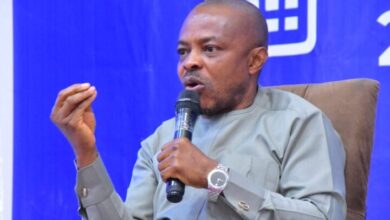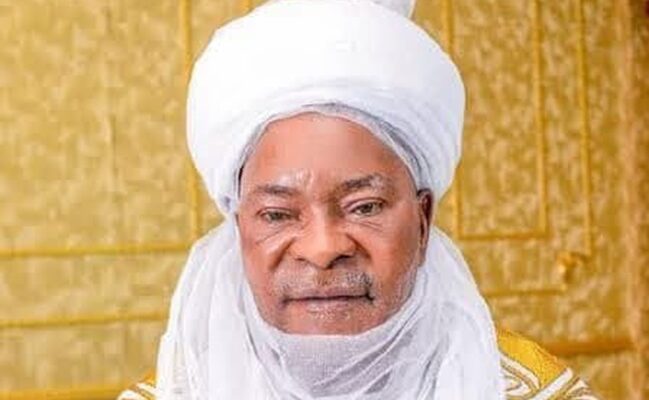
Former Governors of Nasarawa and Kogi State, Umaru Tanko Al-Makura and Yahaya Bello, have mourned the passing of Abubakar Idris, a former Governor of Kogi State.
Al-Makura, who is the Chairman of the North Central States Elders Council, also expressed grief over the reported death of 37 persons in the custody of the Nigeria Security and Civil Defence Corps (NSCDC) in Minna, Niger State, as well as the death of former Kogi State Governor, Alhaji Ibrahim Idris, CON.
In a statement issued to journalists yesterday in Abuja and signed by the Chairman of the council, Senator Tanko Umaru Al-Makura, and the Director-General, Rt. Hon. Audu Sule Dikeson, the elders described the two incidents as significant losses to the North Central region.
The council extended its condolences to the affected families as well as the governments and people of Niger and Kogi states.
The elders expressed deep sorrow over the reported death of 37 persons, said to be mostly artisanal miners and internally displaced persons (IDPs) from the Wushishi-Lukoto axis, who reportedly died while in NSCDC custody in Minna.
In a separate condolence letter addressed to Kogi State Governor, Alhaji Ahmed Usman Ododo, and the family of the late former governor, the council also mourned the death of Alhaji Ibrahim Idris, who served as governor of Kogi State from 2003 to 2012.
The council said it received the news of Idris’s death with deep shock, describing him as a father, an elder statesman, and a contributor to peace and unity in the North Central region.
The elders described Idris as a “detribalised Nigerian” and a “pillar of peace and unity in the North Central,” while commending his philanthropy and contributions to Kogi State’s development.
Kogi State Governor, Alhaji Ahmed Usman Ododo, has declared three days of mourning in honour of former governor of the state, Alhaji Ibrahim Idris, who died in London, United Kingdom, on Sunday at the age of 77.
The governor, who expressed deep sorrow over the death of the former governor, directed that the national and Kogi State flags be flown at half-mast across government offices and other designated public institutions throughout the mourning period.
Ododo also announced that the late former governor would be accorded a state burial, with the state government taking responsibility for the burial expenses and making necessary arrangements to honour him as a former governor of the state.
The governor had earlier visited the residence of the deceased, where he commiserated with members of the Idris family.
In a condolence letter to the family, Ododo described Idris’s death as a profound loss to Kogi State and Nigeria, saying the state had lost an eminent son who devoted a significant part of his life to public service.
He noted that the administration of the late governor witnessed interventions in infrastructure, education, healthcare, and other critical sectors, adding that his contributions would remain part of the state’s developmental history.
According to Ododo, beyond the projects and policies associated with his administration, Idris would be remembered as a public servant who committed himself to the responsibilities entrusted to him by the people.
“His years in public office formed an important chapter in the political and developmental journey of Kogi State,” Ododo said.
He prayed to Almighty Allah to forgive the shortcomings of the deceased, grant him Al-Jannatul Firdaus and give the family and people of Kogi State the strength to bear the loss. Meanwhile, tributes have continued to pour in for the former governor, with politicians and groups across the state mourning his death.
Senator Natasha Akpoti-Uduaghan, representing Kogi Central Senatorial District in the National Assembly, expressed deep sorrow over the passing of Idris, describing him as a significant figure in the political history of Kogi State and the Peoples Democratic Party (PDP).
She said his death was painful, particularly at a time when the state and the PDP family could have continued to benefit from his experience, wisdom and knowledge of the state’s political history.
Former chairman of Okene Local Government Area, Alhaji Yahaya Karaku, described Idris as a leader who adopted a common-sense approach to governance and left a record of impact in public service.