Stakeholders in the fertility sector have called for increased public education and emotional support for people experiencing fertility challenges.
They said greater knowledge is needed to help patients better understand assisted reproductive treatment. They made the call at a forum organised by the Fertility Awareness Advocacy Initiative (FAAI) in collaboration with Nordica Fertility Centre, “Why IVF Cycles Fail: Understanding, Coping & Moving Forward.”


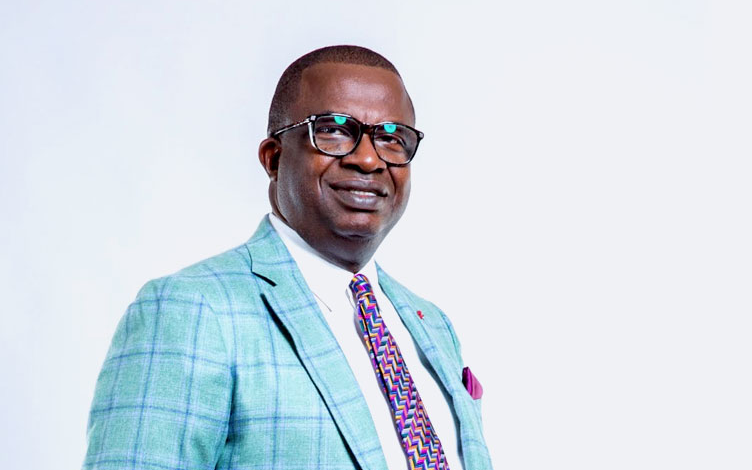
At the event, Dr Abayomi Ajayi, the MD/CEO of Nordica Fertility Centre and a fertility expert, said healthcare providers needed to communicate treatment outcomes, particularly unsuccessful IVF results, with empathy, understanding, and sensitivity to patients’ emotional states.
Ajayi noted that fertility treatment involved significant emotional investment and that patients could experience considerable distress when a cycle failed. He said healthcare providers should validate patients’ emotions while explaining the outcome and possible next steps.
He also stressed the importance of patients understanding the IVF process rather than approaching treatment with the expectation that doctors would handle everything on their behalf. He said patients needed adequate information to understand what doctors were doing, why particular recommendations were being made and what factors could influence the outcome of treatment.
“It’s only when you know how it works that you can know why it has failed,” he said.
Dr Jesse Atongo, the Gynaecologist/Fertility expert, identified lifestyle as one of the factors that could influence fertility treatment outcomes, urging patients to pay attention to habits that could affect reproductive health.
He specifically mentioned smoking, marijuana use and shisha consumption, stressing that patients should discuss their lifestyle and other relevant factors with their healthcare providers. Atongo said open forums could also provide an avenue for people to ask questions they might not feel comfortable asking during individual consultations. He further cautioned against quoting a single IVF success rate without considering the patients’ ages and characteristics.
According to him, two people can come in and have different things to do, he said, adding that the facility seeks to consider the individual needs of each patient. He further explained that investigations following an unsuccessful IVF cycle should be guided by the findings from the previous cycle rather than applying the same tests to every patient.
Meanwhile, Vice President of the Fertility Awareness Advocate Initiative (FAAI), Vivian Patrick, said the initiative was established to create a support system for people navigating infertility and fertility treatment. Patrick said the infertility journey could be difficult and that people undergoing treatment needed people who could listen to their experiences, provide encouragement and help them feel less isolated.
She said the initiative was also designed to encourage people who had successfully undergone IVF to become advocates and share their experiences to help reduce the silence surrounding fertility challenges. According to her, fertility challenges remain highly stigmatised in African societies, with some people still attributing infertility to spiritual causes.
As part of the initiative, Patrick disclosed that two couples were offered free IVF treatment through FAAI’s collaboration with Nordica Fertility Centre. She said one of the couples was registered with Nordica, while the other was not previously registered with the facility. The forum also highlighted Nordica’s treatment of its 1,000th IVF patient, with the fertility centre expected to mark the milestone in Lagos on 3 October.