Ukraine has accused Russia of continuing to attack its energy infrastructure despite United States President Donald Trump’s announcement of a proposed halt to strikes against energy facilities.
Ukrainian President Volodymyr Zelenskyy said Russian forces had continued targeting energy installations following Trump’s announcement on Sunday, October 11, raising questions about whether the proposed arrangement could prevent further damage to critical infrastructure.
The reported attacks came as Russia’s war against Ukraine continued to claim civilian lives and damage facilities essential to electricity generation, heating and other public services.
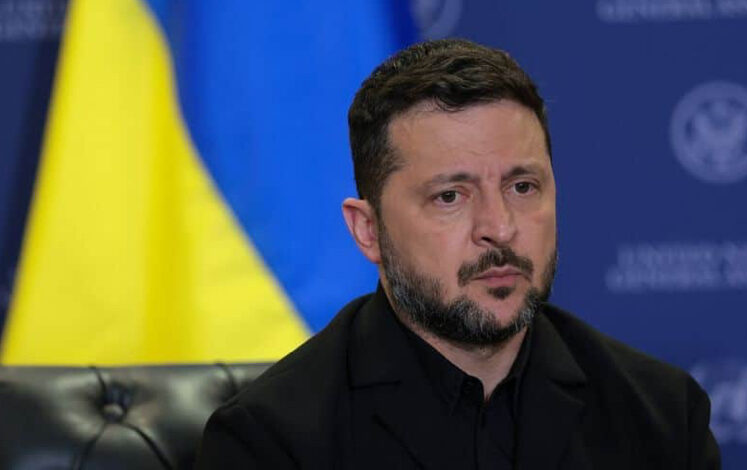
Speaking by video link at a security conference in Warsaw on Monday, Zelenskyy criticised Moscow’s response to the proposed arrangement and called on Washington to ensure that Russia honoured any commitment to suspend attacks.


READ RELATED NEWS
Russian strikes disrupt three Kyiv bridges as Ukraine seeks ceasefire
Brexit vote under fresh scrutiny as UK PM points to Russia
Kyiv attack overshadows renewed push for peace talks
In a statement posted on X, Zelenskyy accused Russia of rejecting the proposed halt to attacks and continuing its military campaign against Ukrainian communities.
“It is increasingly evident that Russia is unwilling to accept an energy ceasefire proposed by the United States and intends to continue its terrorist air attacks against our people and communities,” Zelenskyy said on X.
“This is what happens when Russia sees the prospect of higher revenues for its war machine.”
Trump announced the arrangement in a social media post, describing it as an immediate halt to attacks on energy infrastructure. However, Ukrainian officials subsequently reported further Russian strikes, while Moscow had not publicly confirmed the specific terms of the proposed arrangement.
FRESH ATTACKS RAISE QUESTIONS OVER TRUCE
Reports from Ukraine indicated that Russian drones and missiles continued striking locations across the country after Trump’s announcement.
In the northeastern city of Kharkiv, an attack reportedly damaged energy infrastructure and was followed by further strikes on residential areas. Local officials reported civilian casualties and injuries as emergency workers responded to the incidents.
Ukrainian officials also reported attacks affecting energy facilities in and around Kyiv, as well as infrastructure in the western Zhytomyr region.
The reported strikes have heightened concerns about the vulnerability of Ukraine’s electricity and gas networks as the country approaches the colder months, when reliable heating and power supplies become increasingly important.
Russia has repeatedly attacked Ukrainian infrastructure during the war, while Ukraine has carried out drone strikes against Russian oil refineries and other energy-related targets.
The opposing campaigns have complicated efforts to secure a temporary reduction in hostilities and protect infrastructure essential to civilian life.
UKRAINE SEEKS RECIPROCAL COMMITMENT
Zelenskyy indicated that Kyiv was prepared to respect an arrangement prohibiting attacks on energy facilities if Russia agreed to do the same.
He said Ukraine had refrained from attacking Russian oil refineries during the night following Trump’s announcement, while indicating that Kyiv expected Moscow to demonstrate similar restraint.
His remarks highlighted uncertainty surrounding the proposed ceasefire, particularly because the terms had not been clearly established in a publicly confirmed agreement between the two countries.
Kremlin spokesman Dmitry Peskov reportedly indicated that discussions were continuing, although Moscow had not immediately confirmed the specific terms of the proposed energy ceasefire.
The uncertainty has raised questions about how compliance would be monitored, which facilities would be covered and what consequences either side might face if attacks continued.
The status of the arrangement therefore remains central to determining whether it can provide meaningful protection for energy infrastructure and civilians affected by the war.