Nigeria’s economic recovery faces a crucial test: whether stronger growth, rising government revenues and improved external reserves can translate into cheaper food, affordable transport, reliable electricity and better-paying jobs for millions of struggling households.
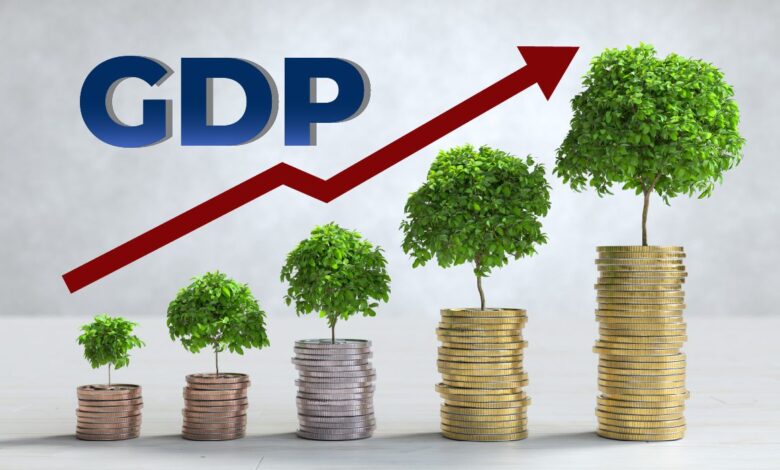
The World Bank puts Nigeria’s gross domestic product (GDP) growth at 4.2 per cent in the first half of 2026, up from 3.9 per cent in the corresponding period of 2025. It projects average growth of 4.4 per cent through 2028. However, renewed inflationary pressure from fuel and transport costs continues to strain household budgets.
New Daily Prime notes that although President Bola Tinubu’s economic reforms have yielded signs of macroeconomic stabilisation, the true measure of recovery lies in whether Nigerians can feel the gains through lower living costs, better-paying jobs and improved living standards.
RELATED NEWS:
Growth figures meet household hardship

Tinubu’s administration has removed the petrol subsidy, partially withdrawn electricity subsidies, liberalised the naira and pursued tax reforms. These measures have eased some fiscal pressures and improved the government’s revenue position.
Even at that, the costs have fallen heavily on households and businesses. Higher petrol prices have increased transport fares and the cost of moving food from farms to markets. Electricity expenses have added pressure on manufacturers, traders and service providers, while the naira’s depreciation has raised the cost of imported goods and production materials.
Workers whose earnings have failed to match rising prices have consequently lost purchasing power. Families must stretch their incomes to cover food, rent, medicines, school fees and transport.
The distinction between economic growth and improved living standards is important. GDP measures the value of goods and services produced within an economy. It does not show how evenly the benefits are distributed or whether an ordinary worker can afford basic necessities.
New Daily Prime observes that economic stabilisation must translate into sustained growth, job creation and effective social protection for vulnerable Nigerians if the Federal Government’s reforms are to deliver meaningful improvements in living standards.
Public spending under scrutiny
The debate over economic sacrifice has also raised questions about government expenditure.
In his Independence Day address, Tinubu declared the beginning of an “era of prosperity” and suggested that the next four years could reward Nigerians for the hardship associated with his reforms.
However, public confidence may suffer when citizens perceive a gap between their sacrifices and the spending habits of political office-holders.
A June 2026 Federal High Court ruling has also raised questions about public spending, after the court found the National Assembly’s reported ₦110 billion expenditure on 465 sport utility vehicles and lawmakers’ support allowances unlawful over breaches of procurement rules and concerns about public trust.
The decision reinforces the need for public officials to account for how taxpayers’ money is spent, particularly when millions of Nigerians face rising living costs and essential services struggle with inadequate funding.
What Nigerians need next
A 30-day petrol-price relief measure introduced by the Nigerian National Petroleum Company Limited (NNPC) offers temporary respite, but lasting improvements require policies that address the underlying pressures on household incomes.
The Federal Government should publish an audited account of savings generated by its economic reforms and explain how the funds have been spent. It should also expand transport support, protect low-income electricity consumers and increase investment in food production, federal roads, healthcare and education.
Public expenditure requires equal scrutiny. Reducing unnecessary official travel, excessive vehicle fleets and costly refurbishments would help demonstrate that government institutions are sharing the burden of economic adjustment. State governments must also show how increased revenue allocations translate into essential services and targeted support for vulnerable households.
Meanwhile, the main question should no longer be about whether Nigeria’s economy is growing, but whether that growth is particularly improving the lives of its citizens. Household purchasing power, job creation, business operating costs and access to reliable public services offer more practical measures of progress than headline economic figures alone.
Nigeria’s growth projections provide grounds for cautious optimism. However, the true measure of recovery will be whether families can afford nutritious meals, workers can earn decent wages, businesses can operate at sustainable costs and public institutions can deliver essential services without placing additional pressure on struggling citizens.
Economic reforms will earn public confidence when their benefits become visible in everyday life, not merely in government revenue reports and growth statistics.
For More Details, Visit New Daily Prime News