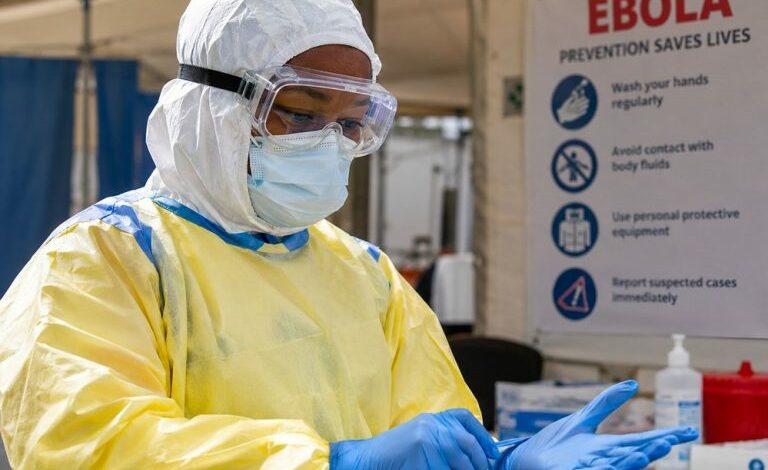
Two suspected Ebola cases in Adamawa State have tested negative after two rounds of laboratory screening, leaving the previously confirmed case in the Federal Capital Territory as Nigeria’s only reported infection, the Nigeria Centre for Disease Control and Prevention (NCDC) has announced.
The results have eased fears of a fresh Ebola outbreak in the North-East, but health authorities are maintaining surveillance as they investigate the illness that triggered the alert in Yola.
NCDC Director-General, Dr Jide Idris, disclosed the outcome in a statement on Saturday, November 1, 2026. He said laboratory samples collected from the two individuals returned negative results for Ebola virus disease (EVD) after two rounds of testing.
The Adamawa State Public Health Emergency Operations Centre received the initial report in the early hours of October 30, after two people presented with symptoms considered suspicious for Ebola. Both individuals were isolated while health authorities began investigations and introduced public health measures.


The NCDC subsequently worked with the Adamawa State Government, through its Ministry of Health and Human Services, to establish the cause of the illness. Idris commended the state’s Commissioner for Health and his team for their prompt response, adding that the national agency would continue providing technical assistance.
RELATED NEWS:
The latest results establish an important distinction between suspected and confirmed cases. Symptoms associated with Ebola can also occur in other illnesses. Laboratory testing is therefore essential before an infection can be classified as Ebola. In this instance, two rounds of testing found no evidence of the virus in the Adamawa samples.
The national picture, however, requires continued attention. Idris confirmed that the index case previously detected in the Federal Capital Territory is Nigeria’s only laboratory-confirmed EVD case. The negative Adamawa results do not cancel the need to monitor contacts, investigate suspicious symptoms and maintain infection prevention measures.
Ebola is a severe viral disease that can cause fever, intense weakness, headache, muscle pain, vomiting, diarrhoea and unexplained bleeding. It can spread through direct contact with the blood or other bodily fluids of an infected person, as well as contaminated materials.
Idris advised anyone experiencing suspicious symptoms, particularly after a relevant exposure, to seek immediate medical attention and disclose any travel or contact history to healthcare workers. He also cautioned against self-medication and the circulation of unverified claims.
The episode highlights the value of early reporting, isolation and laboratory confirmation. A suspected case does not automatically signal an outbreak, but delays in investigating one can create opportunities for an infectious disease to spread.
The immediate message for Adamawa residents is reassuring: neither of the two suspected cases tested positive. The responsibility now lies with health authorities to sustain surveillance, communicate verified findings and ensure that any new alert receives the same prompt attention.
For More News Updates, Visit New Daily Prime News