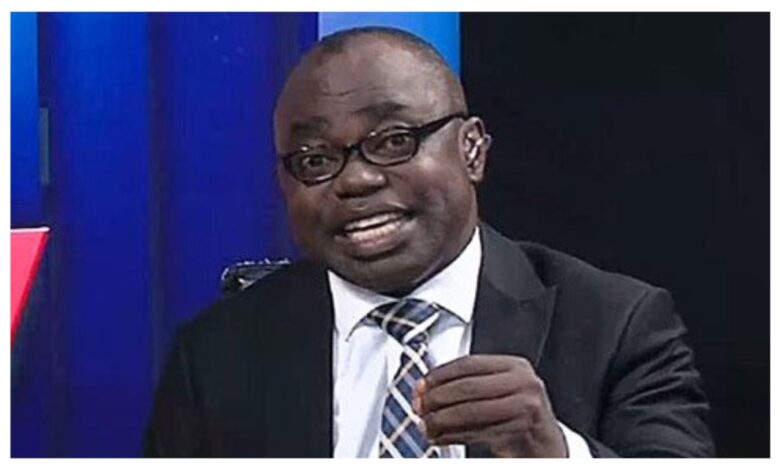
Lawyer and public affairs analyst, Frank Tietie, has expressed concern over the Independent National Electoral Commission, INEC’s explanation regarding the discovery of artificial intelligence-generated images in the voters’ register, describing the development as a national security issue.
Tietie said it was disturbing that the electoral commission could attribute the development to compromised officials who allegedly generated the images and information contained in the voters’ register.
Speaking on the controversy on Arise News, the lawyer questioned how such a situation could occur within an institution responsible for safeguarding the credibility of Nigeria’s electoral process.
He said, “The only explanation INEC can give is that its compromised officers were responsible for generating those pictures and that information. That is a big problem.”


According to him, the development raises serious questions about the integrity of the voters’ register and the possibility of manipulating electoral figures through fictitious information.
Tietie noted that INEC had complied with the requirement to publish the voters’ register but stressed that the commission must now explain what happened and the measures it intends to take to address the concerns.
He said he expected the electoral body to consider convening a stakeholders’ meeting involving political parties to provide a comprehensive explanation of the controversy.
“I look forward to what INEC will do next, whether it will convene a stakeholders’ meeting involving all the political parties and sufficiently explain what happened,” he stated.
The public affairs analyst explained that the purpose of displaying the voters’ register was to allow citizens to identify discrepancies in their personal information and make the necessary corrections before elections.
However, he expressed concern that artificial intelligence could allegedly have been used to generate names and images for fictitious voter cards, potentially creating room for the inflation of voter figures.
Tietie said the situation had already triggered suspicions among some Nigerians that the electoral process could have been compromised even before the conduct of elections.
He warned that INEC must take immediate steps to restore public confidence in its operations, insisting that the commission should not allow the controversy to undermine trust in the electoral system.
“INEC must immediately redeem its integrity, or else it is leading the country towards its own form of anarchy. It must not be responsible for failing Nigerians,” he said.
Tietie further argued that the electoral commission had received the financial resources required to carry out its responsibilities during previous election cycles and should therefore be held accountable for any shortcomings.
He maintained that INEC had no justification for failing to protect the credibility of the voters’ register, adding that Nigerians expected the commission to demonstrate transparency and accountability.
The lawyer urged the electoral body to address the allegations, clarify the circumstances surrounding the appearance of AI-generated images and outline concrete measures to prevent a recurrence.
He stressed that restoring confidence in the electoral process would require more than explanations, urging INEC to take steps capable of convincing Nigerians that the integrity of the voters’ register remains protected.