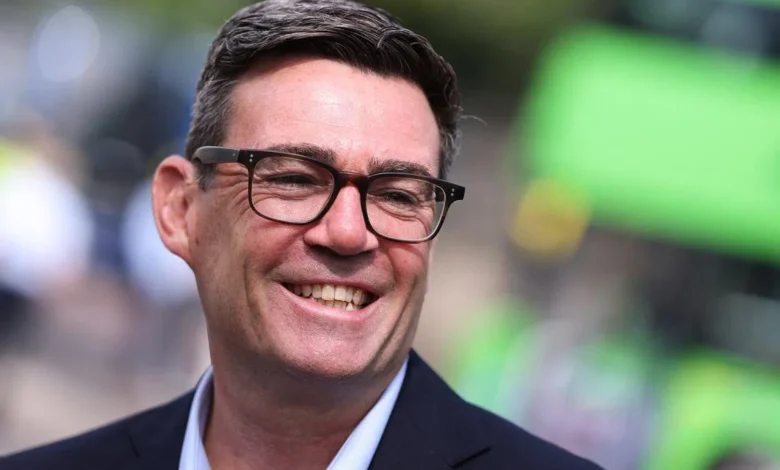
LONDON – Britain’s new prime minister, Andy Burnham, said on July 23 he would lower business rates for pubs, clubs and live music venues by 20 per cent from April, his third announcement in three days of measures to help households and businesses.
Since taking power on July 20, Burnham has also said he will remove a tax from domestic electricity bills and cap bus fares, eager to show that he can act more decisively than his predecessor Keir Starmer.
“This government will back the businesses that people want to see in their communities,” said Burnham, a former mayor of Greater Manchester.
Finance minister John Healey, who also started his job this week, said he wanted to go further on reducing the cost of doing business in Britain to lift pessimism around the economy.


Burnham making small changes to try to boost confidence
Burnham said the cut to hospitality business rates would save the typical pub about £1,100 (S$1,890) in 2027, benefiting nearly 32,000 venues.
The policy will cost the government £100 million a year, and is sure to be welcomed by small independent venues as well as pub groups like J D Wetherspoon, Marston’s and Fuller, Smith & Turner.
But it falls short of the hospitality industry’s demand for a halving of the sales tax for the sector.
The government said the tax cut would be funded by a review of relief for businesses such as vape shops that “do not make a positive contribution to local communities”, and a tax crackdown on businesses that sell through online marketplaces.
Burnham had previously floated the idea of hiking business rates on warehouses used by online giants such as Amazon to help businesses on traditional high streets.
While the cost of support being granted is small, Burnham is trying to show he can move more quickly than Starmer who, in 2024, spent the first few months of Labour’s first government in 14 years commissioning reviews into possible policy changes.
Burnham also needs to rebuild relations with the business community, which has complained that taxes on employment and energy, in addition to higher wages, have hammered their ability to invest and grow.
The recent resurgence of the Iran war has spurred fresh concerns about higher energy prices and possible interest rate increases, hitting business confidence.
A hospitality survey released in July showed 23 per cent of respondents were operating at a loss, while 5 per cent said their business was no longer viable.
Healey wants to rebuild ties with business
Healey said he understood the frustration among employers and was as worried about the high cost of doing business in general as he was about the cost of living.
“This is just the start,” he told an event at Bloomberg in the City of London financial district.
“We know we’ve got a lot further to go.”
Britain’s economy cannot thrive without a strong investment sector, he said, adding: “I want us to deepen our government’s relationship, our Treasury’s relationship, with business.”
To maintain confidence among investors, Healey said he and Burnham would work in lock-step to meet the government’s fiscal rules, which stipulate that day-to-day spending must be funded from revenues rather than borrowing and that debt must fall as a proportion of national output.
However, British government borrowing costs rose further on July 23, with the 10-year gilt yield touching its highest since May 20. REUTERS


