Edo Showcases Decentralised Power Reforms At AU Meeting, Targets Jobs, Reliable Electricity

0
The Edo State Government has taken its electricity sector reforms to the continental stage, using a high-level African Union (AU) energy meeting to showcase its decentralised power model as a catalyst for investment, industrialisation and sustainable economic growth.
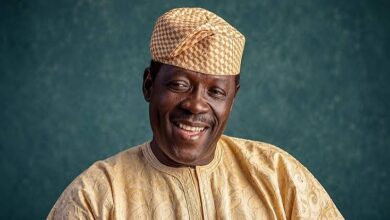
Representing Governor Monday Okpebholo at the meeting, the Commissioner for Power, Hon. Paul Usenbo, said Edo’s participation was aimed at presenting the state’s energy reforms to development partners, investors and policymakers while positioning it as a preferred destination for energy investments in Africa.
According to the commissioner, Edo’s decentralised electricity strategy is designed to expand access to reliable power, stimulate private sector investment, create jobs, improve the ease of doing business and unlock long-term economic growth across the state.
Usenbo said the state’s energy agenda aligns with the African Union’s Agenda 2063, the African Continental Free Trade Area (AfCFTA), the Mission 300 initiative to expand electricity access across the continent and the United Nations Sustainable Development Goal 7 on affordable and clean energy.
He noted that the continental engagement provides Edo with an opportunity to forge strategic partnerships, attract development financing and strengthen collaboration with multilateral institutions committed to expanding reliable and sustainable electricity access across Africa.
The commissioner attributed Edo’s invitation to the meeting to the significant progress recorded under Governor Okpebholo’s administration, particularly the implementation of the Edo State Electricity Law, the advancement of the proposed 100-megawatt Ologbo Independent Power Project, the expansion of renewable energy initiatives, promotion of rural electrification and the creation of an investor-friendly regulatory environment that encourages private sector participation.
Speaking on the significance of the reforms, Usenbo said, “Good governance is about creating opportunities, and that begins with reliable electricity.”
He added, “In Edo State, under the leadership of His Excellency, Monday Okpebholo, we are implementing bold reforms that attract investment, expand access to power and empower businesses to grow.”
Usenbo explained that discussions at the meeting centred on innovative financing for energy infrastructure, accelerating renewable energy deployment, strengthening intra-African trade through the AfCFTA, supporting small and medium-sized enterprises and expanding access to affordable electricity.
According to him, the outcomes reinforce Edo State’s strategy of leveraging public-private partnerships to deliver sustainable energy infrastructure and unlock economic opportunities, while the engagements will help the state accelerate electricity generation, expand renewable energy and mini-grid projects, strengthen the regulatory framework and unlock additional financing to improve energy security and electricity access across Edo State.
Reaffirming Edo’s message to continental leaders and investors, the commissioner declared: “Our message at the African Union is clear: decentralised energy is the key to industrialization, job creation and inclusive prosperity.”
He added, “Edo State is demonstrating that with visionary leadership and strong partnerships, Africa’s energy future is not only possible—it is already unfolding.”
Usenbo said the reforms are expected to increase electricity access, provide reliable power for homes, businesses and industries, stimulate private investment in the energy sector, improve the ease of doing business, create jobs, promote economic growth and reduce carbon emissions through greater deployment of renewable energy technologies.
He said the overarching objective is to position Edo State as Nigeria’s leading sub-national electricity market and a model for decentralised, investment-driven power sector reform across Africa, demonstrating how sound legislation, visionary leadership and strategic partnerships can transform the energy sector into a driver of enterprise, innovation and inclusive economic development.