By Salihu Abdulhamid
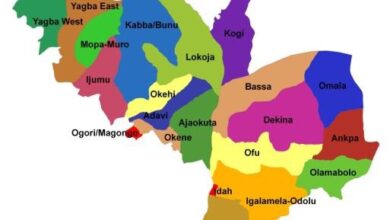
As political consultations and alliances begin to emerge ahead of Nigeria’s 2027 general elections, discussions about the influence of political godfatherism are resurfacing in Kogi State. Although campaigns have not officially started, political observers say early alignments have renewed debate over how candidates may emerge and what this could mean for the state’s democratic process.
Godfatherism describes a political system in which influential figures use their networks, resources, and party influence to support candidates or shape political outcomes. While political mentorship is common in democratic systems, analysts argue concerns arise when elite influence is perceived to outweigh transparent party competition and voter choice.
Kogi State has witnessed several high-profile political transitions that have fuelled debate over the role of influential political actors. Following the death of governorship candidate Abubakar Audu during the 2015 election process, Yahaya Bello emerged as governor under decisions taken by the political party and the electoral authorities. The development generated national constitutional and political debate.

Similarly, the 2023 governorship election attracted attention after Ahmed Usman Ododo secured victory with the public backing of former Governor Yahaya Bello. Supporters described the transition as political continuity, while critics argued it highlighted the influence of powerful political actors in candidate selection.
Political analysts say the 2027 elections will test political parties’ commitment to transparent primaries, internal democracy and inclusive participation. They also note that electoral outcomes will depend on multiple factors, including candidate popularity, party organisation, voter behaviour and prevailing socio-economic conditions.
Observers say strong democratic institutions, credible elections and active citizen participation remain essential to ensuring that electoral outcomes reflect the will of voters.