Former Kaduna Central Senator, Shehu Sani, has described the pledge by the presidential candidate of the African Democratic Congress (ADC), Atiku Abubakar, to restore fuel subsidy as a “political Trojan horse” aimed at winning votes ahead of the 2027 general election.
Sani said the promise was impracticable, arguing that Atiku had previously supported the removal of petroleum subsidy.
The former senator stated this while addressing journalists in Abuja on Saturday, where he also spoke on the direction of political campaigns ahead of the 2027 elections.
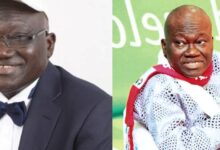

Sani said, “What he is saying is outright deception of Nigerians.”
He argued that Atiku had, throughout his political career and campaigns, supported the removal of subsidy and questioned his decision to promise its restoration ahead of an election.
“As someone who has always subscribed to Bretton Woods Institution neoliberal economic policies, someone who believes in World Bank and IMF prescriptions, devaluation of currency, privatisation of public enterprises and all sorts of capitalist bourgeoisie economic policies, and someone who has, throughout his political history and campaigns, stood for the removal of subsidy, for someone now to make a reversal simply because he needs votes, there is a need for Nigerians to seriously not take what he has said at face value,” Sani said.
He said restoring subsidy would be difficult because the country had previously spent trillions of naira subsidising petroleum products.
“For a number of reasons, what he said is virtually impracticable,” he said.
Sani also warned against a return to the subsidy regime, alleging that some beneficiaries had exploited the system to defraud the country.
“We have also seen how beneficiaries of subsidies use this mantra of subsidy to defraud our country. Many of them have cases in court where hundreds of billions of naira were looted and diverted from the national treasury in the name of importing petroleum products under the subsidy regime,” he said.
The former lawmaker further argued that subsidy had encouraged the smuggling of petroleum products to neighbouring countries where petrol was sold at higher prices.
He said the removal of subsidy had ended that practice and increased the resources available to state and local governments.
“Now, the removal of subsidy has also been able to provide resources for sub-nationals, for state governments and local governments, for them to be able to use for roads, schools and hospitals,” Sani said.
He questioned whether Nigeria could afford to return to subsidy at a time when a large proportion of government revenue was being used to service debt.
Sani instead called on political leaders to focus on revamping Nigeria’s refineries and increasing domestic refining capacity.
“If any politician makes pledges to revamp our refineries, so that we can refine our own crude oil, then he is making sense,” he said.
He also argued that a return to subsidy would not necessarily reduce the cost of living.
“And let us not deceive ourselves. The return of subsidy will not bring down the prices of commodities. It will simply distort the economic stability of our country,” Sani stated.
However, Sani acknowledged that the removal of subsidy had imposed significant hardship on Nigerians and contributed to tensions between citizens and the Federal Government.
“I know very well that the removal of subsidy is causing a lot of hardship and economic suffering in the lives of our people, and it has been one policy that has created bad blood between ordinary Nigerians and this administration,” he said.
He maintained that addressing the hardship should not involve returning to the previous subsidy regime.
“But addressing the problem is not going back to the past; it is moving towards the future,” Sani said.
The former senator also expressed support for President Bola Tinubu’s 2027 re-election bid, while advocating a southern presidential candidate for the opposition.