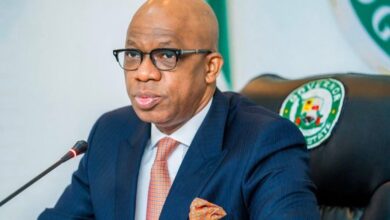
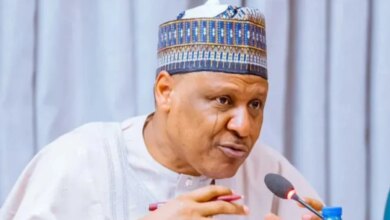
Daniel Bwala, Special Adviser to President Bola Tinubu on Policy Communication, has acknowledged that the administration’s economic reforms pushed more Nigerians into poverty, while maintaining that the country has recorded progress since the measures were introduced.
Bwala made the admission during an interview on Channels Television’s Politics Today on Wednesday, as debate continues over whether improvements in Nigeria’s broader economic indicators are reaching ordinary households.
The Tinubu administration introduced major economic changes after taking office in May 2023, including the removal of the petrol subsidy and reforms to the foreign exchange market.
Those measures were followed by sharp increases in transport, energy, food and production costs, putting pressure on households and businesses.
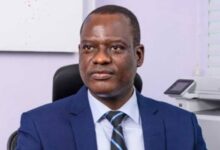

Bwala said the rise in poverty should be understood partly within the context of the economic restructuring.
“More people went down to poverty, acknowledged, but since when the reform started to today, we have made marked progress,” he said.
He argued that major economic reforms typically come with short-term hardship and said the administration had spent the past three years explaining why the measures were necessary.
World Bank says poverty remains high despite economic progress
Bwala’s comments come as international data present a mixed picture of Nigeria’s economic recovery.
The World Bank said in its April 2026 Nigeria Development Update that the country had made “meaningful progress” in restoring macroeconomic stability following major reforms.
It pointed to easing inflation, stronger fiscal and external positions and continued economic growth.
However, the institution also warned that household incomes had not fully recovered and poverty remained high, meaning many Nigerians had yet to feel the benefits of improved national economic indicators.
World Bank projections presented in April estimated that about 63 per cent of Nigerians were living below the national poverty line in 2025.
The Bank cautioned that poverty figures for 2024 onwards were projections rather than fresh household-survey counts, based on earlier National Living Standards Survey data and updated price information.
That distinction is important because the figures should not be presented as a new physical count of every Nigerian living in poverty.
Inflation falls, but food prices remain under pressure
There have been improvements in some economic indicators.
Latest National Bureau of Statistics figures show headline inflation at 15.39 per cent, while food inflation stands at 19.57 per cent.
Core inflation was recorded at 13.29 per cent. Lower inflation, however, does not mean that prices have returned to where they were before the reforms. It means prices are increasing at a slower rate.
For households whose wages and incomes have not risen at a similar pace, food, transport, rent and other essential expenses can therefore remain difficult to afford.
This helps explain why stronger economic indicators can exist alongside continuing hardship among households.
Tinubu says reforms did not create Nigeria’s economic problems
President Tinubu has defended his economic programme while acknowledging the hardship Nigerians have endured.
In his Independence Day address on 1 October 2026, Tinubu said the reforms did not create Nigeria’s long-standing economic weaknesses but were introduced to confront them.
The President said Nigeria’s economy had grown by more than four per cent in 2026, inflation had fallen from its peak, foreign reserves had improved and the foreign exchange market had stabilised.
He nevertheless acknowledged that millions of Nigerians continued to struggle with food, education, healthcare and transport costs.
Tinubu said his administration was now moving from economic stabilisation towards what he described as “shared and widespread prosperity”, with reducing the cost of living and creating productive jobs among its priorities.
Bwala predicts wider Tinubu victory in 2027
During the same interview, Bwala also turned to the 2027 presidential election.
He predicted that Tinubu would win by a wider margin than in 2023.
Tinubu defeated Peoples Democratic Party candidate Atiku Abubakar and Labour Party candidate Peter Obi in the 2023 presidential election.
Bwala said he expected the gap between the President and his opponents to widen in 2027.
That remains a political prediction by the presidential adviser rather than an established electoral outcome.
The next presidential election will ultimately be determined by voters and the official results declared by the Independent National Electoral Commission.
What readers should know
Bwala’s statement is significant because a senior presidential adviser has openly acknowledged that the economic reforms contributed to pushing more Nigerians into poverty.
However, his wider argument is that the resulting hardship must be weighed against subsequent improvements in inflation, economic growth and broader macroeconomic stability.
Independent World Bank assessments partly reflect that tension: Nigeria has made progress in stabilising its economy, but poverty remains high and household incomes have not fully recovered.
The key test for the government will therefore be whether improved national indicators eventually translate into lower living costs, stronger household purchasing power and more jobs for Nigerians.
SEO title: Bwala: Tinubu Reforms Increased Poverty in Nigeria
Meta description: Daniel Bwala says Tinubu’s economic reforms pushed more Nigerians into poverty but insists Nigeria has recorded progress since the measures began.
URL slug: bwala-tinubu-reforms-poverty-nigeria-progress
Alternative headlines
- Bwala Admits Tinubu’s Economic Reforms Increased Poverty in Nigeria
- Tinubu Reforms Raised Poverty, but Economy Is Improving — Bwala
- Why Bwala Says Tinubu’s Reforms Made More Nigerians Poor Before Economic Gains