0
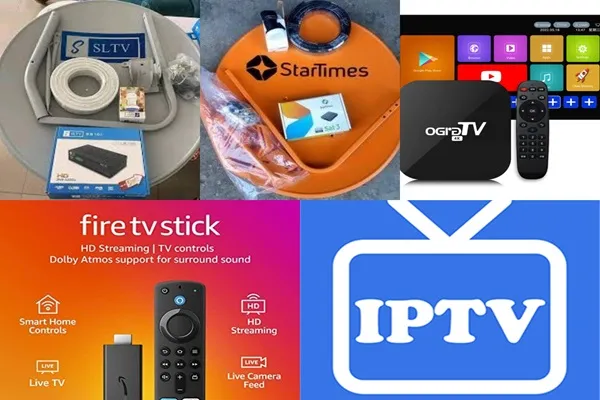
LAGOS – Operators of Pay TV services in Nigeria may further be faced with industry survival over potential decline of customers’ patronage and revenue decline as mass deployment of Digital Switch Over (DSO) is set to commence across the country.
Recently, the National Broadcasting Commission (NBC) announced the Federal Government’s readiness for the renewed Digital Switch Over project which is targeting at least 40 million television households with up to 100 free-to-air channels nationwide.
Over the years, leading pay TV operators in the market, such as MultiChoice, a South African company that operates DStv and GOtv services and StarTimes have held sway over Nigerians.
The key advantage of the planned massive rollout of the Digital Switch Over across the states in the country is that it will challenge major players’ dominance, as viewers will not pay subscription fees. Once they have acquired the Set-Top-Box and pay the oncea- year access fee; which is a token, it is free viewing all the way.
Speaking on the deployment plans of the over 100 channels free TV service, the Director- General of the NBC, Charles Ebuebu, said the renewed DSO strategy had replaced the previous terrestrial transmission model, which achieved limited nationwide coverage.
He disclosed that the satellite- based platform would provide wider coverage and significantly increase access to free television services across the country.
According to him, “We are gunning for 40 million TV households. Count 40 million homes at a minimum. That’s what we’re targeting. The satellite platform will provide up to 100 free-to-air television channels across the country.
The latest plan being unveiled by the government has raised hope and relief for millions of Nigerians who have been spending their hard-earned money on the ever-increasing subscription rates for pay TV services and those who cannot access and afford their services.
Apart from the Federal Government DSO initiative, telecom giant, MTN Nigeria, has aggressively been deploying its Fibre X, an initiative aimed to make fibre internet which can be used to explore television services and for data-related services on multiple devices more accessible and affordable for a wide range of consumers across the country.
The telecom operator’s initiative is especially targeting underserved middle-income households and high-income residents.
According to analysts, millions of Nigerians who cannot afford to pay the rising subscription fees being charged by the pay TV platforms, especially the heavyweights, DSTv and Star- Times, will now be able to enjoy the benefit of digital television at least, almost free.
This development, they posit, is the meaning of bridging the digital divide. Speaking with Daily Independent, Paul Onyekwe, a DStv user in Magboro area of Ogun State, said the step being taken by the government would go a long way to reduce the stress Nigerians face in the hands of pay TV operators in the country.
“I am very happy for the steps being taken by the Federal Government to save us from unnecessary financial exploitation by some pay TV operators. Enough is enough of this rip-off. If the Federal Government is serious with this digital switch over rollout this time, I think it will be a big plus for Nigeria and Nigerians. We have had enough from these operators,” he said.
Samson Akindele, another customer of a pay TV in Ogba, Lagos State, said Nigerians have been taken for granted over the years by DStv, StarTimes and others by increasing their subscription rates arbitrarily.
He said the DSO deployment across the country will be a very big relief for Nigerians.
“We have been at the mercy of these operators who have been shortchanging us. This time around, if the government will make its promise for the DSO deployment, I believe we will have an option that can limit the monopoly of the existing pay TV operators. Yes, I know they may still be relevant, especially in the area of sports, but not everybody is a sports lover,” he said.
Prior to the current move, the previous terrestrial model was launched in eight states by the last administration, and the platform carried between 24 and 28 channels, depending on the location.
The previous DSO plan combined terrestrial broadcasting for 75 percent to 80 percent nationwide coverage with satellite services for areas where terrain, such as mountains, blocked terrestrial signals.
After launching in eight states, it became clear that terrestrial broadcasting had covered less than a quarter of Nigeria, revealing major infrastructure and coverage limitations.
In August 2024, President Bola Tinubu approved a N10 billion grant to the National Broadcasting Commission (NBC) to drive Nigeria’s transformative initiative aimed at enhancing television programming, expanding nationwide access to TV services, and freeing up valuable spectrum for other technological uses.
This substantial financial injection is aimed at accelerating the DSO project, as the service is expected to create a more equitable, just and people-centered information society; which would connect underserved populations and remote communities, thereby bridging the digital divide.
While several set deadlines for the DSO rollout in Nigeria were unmet in the past years, the commencement of this latest programme, is expected to revolutionise the television viewing ecosystem and end the monopolistic tendencies of pay TV services in Nigeria.