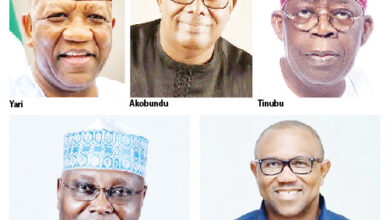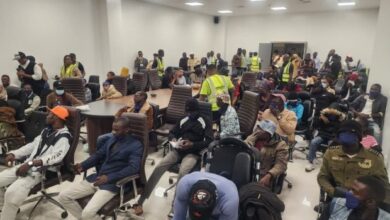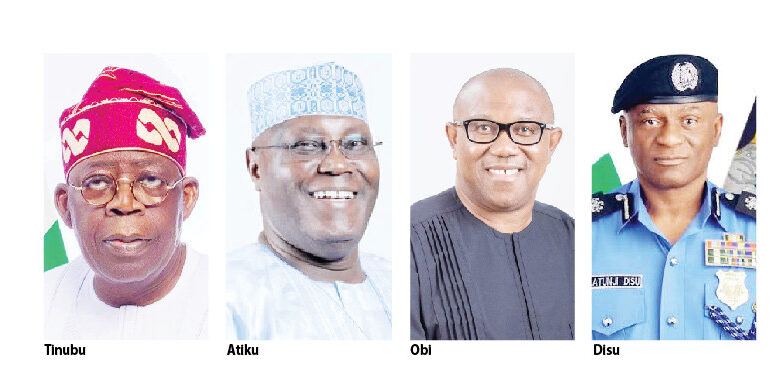
Despite repeated peace accords and pledges by political actors to ensure peaceful elections, violence has remained a persistent feature of Nigeria’s electoral process, raising questions about the effectiveness of these agreements and stakeholders’ commitment to turning their promises into action. Ademu Idakwo reports
Every election cycle in Nigeria comes with familiar promises by political parties and candidates to play by the rules, shun violence and accept the outcome of the ballot.

One of the most visible expressions of such commitments is the Peace Accord, usually signed by presidential and gubernatorial candidates ahead of elections.
But while the ceremonies have become a regular feature of Nigeria’s electoral calendar, questions remain over their effectiveness in curbing political violence, thuggery and inflammatory campaigns.
The central question is no longer simply whether politicians will sign the accord, but what happens after the signatures are appended.
A Promise Repeated Every Election Cycle
The National Peace Committee, which facilitates the accord, was established amid concerns over violence and tensions surrounding Nigeria’s elections.
The 2015 election remains a significant reference point, particularly after then-President Goodluck Jonathan conceded defeat to Muhammadu Buhari. The concession was widely seen as helping to ease tensions surrounding the closely contested election.
Since then, similar peace agreements have been signed before subsequent elections.
Yet the recurrence of political violence has continued to raise questions about whether signing the document has translated into sustained compliance on the campaign trail and after the results are announced.
What Happened In 2023?
The experience of the 2023 general election provides some indication of the gap between signing a peace agreement and complying with its provisions.
The National Peace Committee’s 2023 Peace Accord Monitoring Report recorded 89 clause infractions across 52 instances, with breaches of the commitment to issue- and policy-based campaigning among the most prominent violations.
The committee also identified personality-focused and ethnic-based attacks by political actors and their spokespeople. The development demonstrated that signing the accord did not automatically prevent political actors from engaging in conduct contrary to the spirit and provisions of the agreement.
The committee intervened at various stages of the 2023 electoral process when the conduct of political actors and the reactions of their supporters raised concerns about possible escalation.
According to Asabe Ndahi, Project Manager, Kukah Centre Secretariat of the National Peace Committee, in an interview with LEADERSHIP Sunday, the NPC responded to the documented violations through its mandate for convening and engagement.
She said that on 19 January 2023, the committee convened political parties and presidential candidates, presented documented infractions, discussed the risks arising from the reported conduct, and secured renewed commitments to peaceful and responsible political engagement ahead of the 25 February 2023 presidential and National Assembly elections.
The intervention highlights one of the central roles of the Peace Committee: bringing political actors together to address conduct that threatens the peaceful conduct of elections.