By Victoria Aliyu
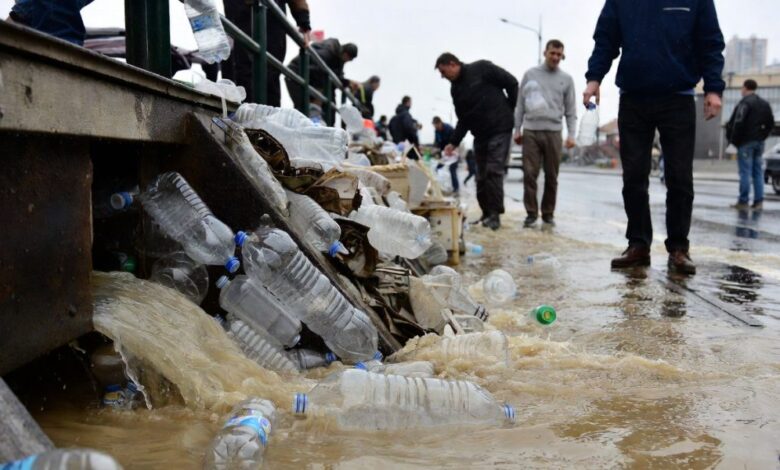
Across Nigeria’s cities and communities, environmental degradation is becoming increasingly visible. Overflowing drains, indiscriminate waste disposal, open burning of refuse, air pollution from vehicles, and poor sanitation have become common sights in places such as Abuja, Lagos, Port Harcourt, and Kano. These everyday realities are not separate from climate change; they are part of the broader environmental challenges confronting the country.
For many Nigerians, climate change is often viewed as a distant global issue associated with melting ice caps and rising sea levels. However, its local manifestations are evident in rising temperatures, flooding, irregular rainfall patterns, declining agricultural productivity, and worsening environmental conditions.
A key challenge is that climate information rarely reaches the people most affected by these issues. While research institutions, government agencies, and civil society organisations continue to generate valuable data, much of the information remains confined to academic reports, policy documents, and conferences.
Cllimate advocacy must become more accessible and relatable. Messages should be communicated through local languages, community radio programmes, drama performances, music, murals, and grassroots campaigns that connect with everyday experiences. Environmental education is most effective when people understand how their daily actions affect their surroundings.
Small community-driven actions can make a significant difference. Proper waste disposal, recycling initiatives, reduced open burning, community clean-up campaigns, and environmental awareness programmes can help improve public health and environmental sustainability.
Civil society organisations, community leaders, religious institutions, market associations, and youth groups all have important roles to play in promoting behavioural change. Collaboration between these stakeholders can help transform environmental protection from a policy discussion into a community movement. Nigeria also requires stronger enforcement of environmental regulations alongside public education and incentives that encourage responsible environmental practices.
Climate change is not only a scientific issue; it is also a communication challenge. Lasting progress will depend on our ability to translate complex environmental concepts into messages that resonate with ordinary citizens. The question is no longer whether people are hearing about climate change, but whether the message is being delivered in a language they understand.
Victoria Aliyu is a researcher with the Institute for Peace and Conflict Resolution.